

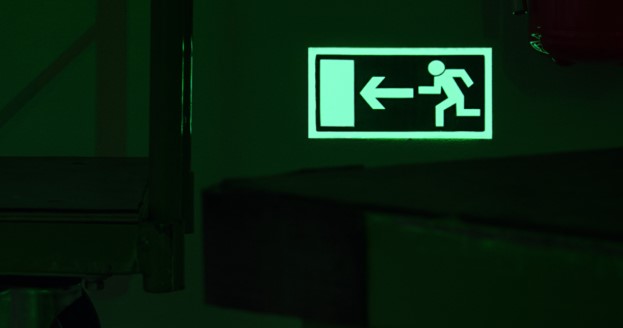

Ensuring the safety of employees, visitors, and customers in any facility is a top priority. One key element of safety is clear, visible emergency signage. Photoluminescent emergency signs are designed to guide people safely during power outages, low-light situations, or emergency evacuations. Choosing the right photoluminescent emergency sign for your facility may seem simple, but there are several factors to consider to ensure maximum safety and compliance.
Understanding Photoluminescent Emergency Signs
A photoluminescent emergency sign is a type of safety sign that glows in the dark without requiring electricity. These signs absorb ambient light during normal conditions and release it in darkness, providing a visible path to exits, emergency equipment, or hazardous areas. Their glow makes them essential for facilities where power outages or poor lighting could pose risks to safety. They are commonly used in offices, hospitals, schools, manufacturing plants, and public buildings.
Compliance with Safety Regulations
When selecting a photoluminescent emergency sign, it is crucial to consider safety regulations and building codes. Many regions have specific requirements regarding sign placement, size, and brightness to ensure they are easily visible in emergencies. Ensuring that your chosen sign meets local regulations helps protect your facility legally and ensures that the signs perform effectively during emergencies. Consulting with safety professionals or reviewing local codes can prevent costly mistakes.
Evaluating Visibility and Size
The visibility of a photoluminescent emergency sign is a key factor in its effectiveness. Signs should be large enough to be seen from a distance, especially in areas where people may need guidance quickly. The brightness and glow duration of the sign also matter. High-quality signs provide a clear, long-lasting glow that can last several hours in complete darkness. Proper evaluation ensures that employees and visitors can easily locate exits or safety equipment, even in low-light conditions.
Choosing the Right Material
Photoluminescent emergency signs are available in different materials, including rigid plastic, aluminum, and vinyl. The choice of material affects durability, weight, and ease of installation. For high-traffic areas or outdoor locations, a durable and weather-resistant material is essential. For indoor use, lightweight and flexible materials may be sufficient. Selecting the right material ensures the sign remains effective over time, even under challenging conditions.
Placement and Mounting Considerations
Proper placement of photoluminescent emergency signs is as important as their quality. Signs should be positioned at eye level and along clear pathways to exits and emergency equipment. Avoid placing them behind obstacles or in areas that receive little ambient light, as this can reduce their effectiveness. Some signs come with mounting options, such as adhesive backing or screws, which make installation easier. Strategic placement ensures that the signs fulfill their purpose during emergencies.
Maintenance and Longevity
Even though photoluminescent emergency signs do not require electricity, they still need periodic maintenance. Over time, dirt, dust, or paint may cover the sign and reduce its glow. Regular cleaning and inspections ensure the sign remains visible and effective. Additionally, some signs may have a limited lifespan depending on the material and exposure to light. Understanding the maintenance requirements helps keep your facility safe and compliant at all times.
Additional Features to Consider
Some photoluminescent emergency signs come with added features such as directional arrows, exit symbols, or bilingual text. These features can enhance clarity and communication, especially in diverse facilities. Signs with self-adhesive backing or modular designs can simplify installation and updates. Considering these extra features ensures that your emergency signage meets the specific needs of your facility while enhancing safety for everyone inside.
Conclusion
Choosing the right photoluminescent emergency sign for your facility involves more than picking a sign that glows in the dark. It requires attention to visibility, compliance, material, placement, maintenance, and additional features. By carefully evaluating each factor, you can ensure that your facility is prepared for emergencies, providing clear guidance to employees and visitors when it matters most. Investing in high-quality photoluminescent emergency signs not only enhances safety but also demonstrates a strong commitment to the well-being of everyone in your facility.